How to bring joy to each and every task
Look each task in its face, and ask its purpose. It will tell you how to bring healing, help, and joy to yourself and others.
My Dearest Friend,
Look each task in its face, and ask its purpose. It will tell you how to bring healing, help, and joy to yourself and others.
I want to write to you regarding a topic I've been considering for a long time: bringing joy to each and every task we perform.
While it may seem absurd to "bring joy" to each and every task--including the most mundane and the most distasteful--I find the alternative unappealing.
What is the alternative--or perhaps rather I should write "the opposite?" A harried, depressed, and resentful existence. A series of burdensome responsibilities, never ending, and never arriving anywhere.
How should we understand "joy"?
As with so many other words our culture has romanticized or distorted, "joy" has lost its depth of meaning.
While often thought of as "an outwardly observable state of great happiness and exuberance," joy need not be outwardly observable or even elated. Joy can be an internal profound happiness, state of contentment, or deep satisfaction.
However, I find the most poignant definition of "joy"--one that for me is most relatable and sustainable--is found by tracing the historic origins and meanings of the word "rejoice." One of these meanings might be "to possess goods and enjoy the benefit or fruit thereof."
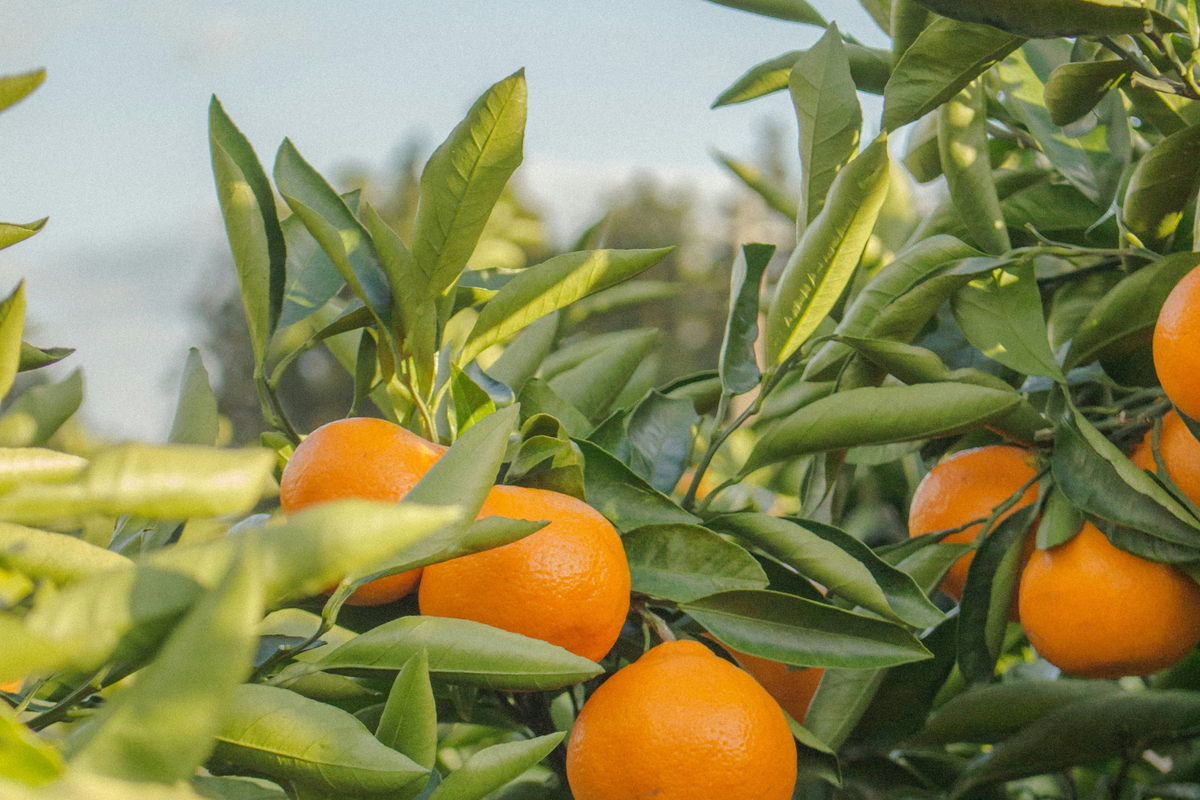
In the broad sense, a "good" might be either a physical item (for example, a fruit tree) or the capability to perform a service or task (plant an orchard).
"Joy" may also be extended to "happiness in someone else's experience of the fruits of your goods."
The importance of task ownership to joy
The reason this definition of joy is relatable and sustainable to me is because I believe that "ownership" or "possession" of our tasks is the key to lasting, persistent joy.
Deep knowledge and ownership of a task is what brings the deepest knowledge and ownership of that task's fruits: yes, its material fruits, and also the immaterial fruits of peace, satisfaction, accomplishment, and happiness.
You might reasonably ask, "How can joy be brought to a task if joy is the byproduct of the task? Doesn't that put the cart before the horse?"
The answer is that joy must be cultivated. It does not spring from the soil full-grown. However, the seed of joy is the foreknowledge of its potentiality--an anticipatory joy achieved in knowledge of the full joy that will follow.
Knowledge of purpose is key to ownership
This cultivation of joy is made more difficult if we do not understand what seed we are planting.
If someone hands you an anonymous seed and encourages you to plant it–what would your response be? You might want to first ask, "What will this seed grow into?" Perhaps it will grow into a delicious fruit tree, and perhaps it will grow into a thorny bush.
If you receive the response, "It will grow into a delicious fruit tree," you might then want to know, "Does the seed require any help in order for this to happen?" And more questions and answers will follow.
Eventually, if you are sufficiently motivated by the idea of possessing and tasting the delicious fruit, you might plant the seed and do what is necessary to provide the help.
Again, before we can think about the execution of the task--the planting and helping of the seed--we must know what the task is and understand its purpose--what plant that seed will grow into, and what fruit it will bear. This is the beginning of joy.
After I had meditated on the nature of both tasks and joy for a number of years--including through the mindful execution of the most mundane tasks that caused me the most physical and emotional pain--I started developing a more patient and nurturing perspective--in fact, the perspective of a gardener.
Talking to your task
And as I explored even further, I realized that each task's purpose is inescapably for someone: myself, or somebody else. This realization helped me move from my original "plant task" metaphor to a sort of anthropomorphizing of the plant task and an interrogatory dialogue with a "plant person" that represented the task.
(Imagine a plant explaining its purpose and what it needs to achieve that purpose, with the voice of Bob Villa.)
The "plant person" of each task and I would talk about two different things:
First, about the task itself: speaking clearly, directly, and without prevarication about the task's needs.
Second, about my future self and the others that would enjoy the fruits of the fulfillment of the task's purpose, explaining how the achievement of the purpose would benefit them.
Learning the truth of the task
The plant person gave me the non-negotiable truth about what committing to the task would mean in terms of energy and effort.
A plant doesn't lie about what it needs--it does not say, "I may or may not require hydration " or "I may or may not need soil with the proper nutrients" or "If it doesn't seem important to you, I can do without sunlight."
No, to achieve its full purpose, the plant needs water, it needs nutrients, and it needs sunlight. You cannot negotiate with a plant about its needs.
Learning the joy of the task
The plant person gave me the way in which my joy would reveal itself both through the execution of the task and following its completion.
If I said, "Yes, but watering you every week will be boring," the plant task would say, "Why not take a picture of me when you water every week, so you can always look at the pictures and take delight in how I am growing with your help?"
Or it might say, "Think of how delicious my fruit will be, and how much you will enjoy that?"
Or "Imagine the comfort and happiness that giving my fruit will bring to your friend?"
Or "Why not listen to an audiobook while you water me? That will make the time go faster. Maybe you can save a special book to be only your "watering time book?"
The profound shared ownership of tasks and joy
In learning to have a back-and-forth conversation with the task, I further realized that my ownership of any task is never complete, but is by nature a shared ownership with those who would or might enjoy the fruits.
At the least, my present self shares the ownership and joy of the task with my future self. At the most, I might share the ownership of my tasks with two or three other people... maybe 10, maybe 100, maybe a thousand, maybe a million or more people!
Though this realization was in one sense frightening--as glimpses of the true and vast interconnectedness of things often are--but also enlightening and encouraging. For me, this realization helped reduce and often remove the sense of loneliness that I sometimes experienced in repeatedly doing "what must be done" through pain, and without thanks.
So, back to the beginning
So my dearest friend, I will end this letter as I began it: with the best piece of advice I can offer to anyone looking to bring more joy to their daily tasks.
Look each task in its face, and ask its purpose. It will tell you how to bring healing, help, and joy to yourself and others.
Love always,
John S.